
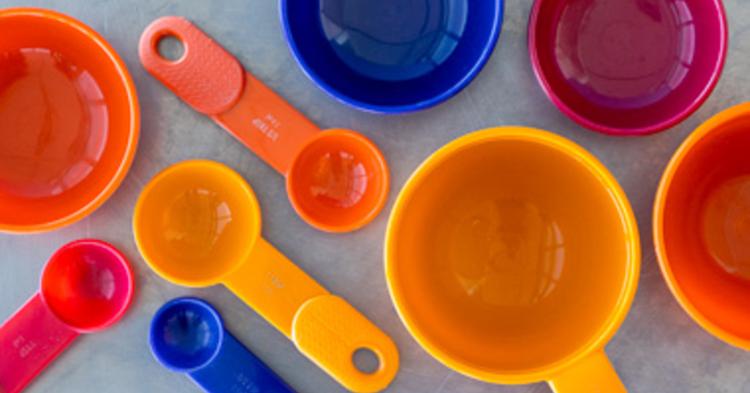
When you’re following a recipe—whether it’s for a simple cookie dough or a delicate soufflé—accurate measurements matter. One of the most common questions in baking is: how many tablespoons are in ¼ cup? Many recipes will call for a quarter-cup of an ingredient, and if you don’t have that specific measuring cup on hand, knowing how many tablespoons to use can save you time and frustration. To clarify this quick conversion, you might find this helpful reference article here: how many tablespoons are in 1 4 cup.
In U.S. customary cooking measurements, a full cup is equal to 16 tablespoons.Since a quarter of a cup is one-fourth of a cup, you simply divide that number by four. That gives you 4 tablespoons. Multiple reliable sources state that a ¼ cup = 4 tablespoons. So the answer is straightforward: if a recipe calls for a ¼ cup, you can use 4 tablespoons in its place.
Precision in measurement is especially important in baking because the balance of dry and liquid ingredients can affect texture, rise, and flavour. If you were to use only 3 tablespoons instead of 4 when the recipe demands a quarter cup, you may end up with a cake that’s too dense or a batter that’s too dry. Conversely, using too much can make the result slack or under-structure. Conversion skills become handy when you lack the exact measuring cup or are working from a recipe that uses differing units (cups vs spoons). Having this conversion in mind—¼ cup equals 4 tablespoons—lets you adapt easily with whatever measuring tools you have on hand.
Imagine you’re making a batch of muffins and the recipe lists ¼ cup of milk. You only have a tablespoon set. Instead of rummaging for the quarter-cup measure, you simply scoop 4 level tablespoons of milk. Or say you’re scaling the recipe down by half. If the original called for ¼ cup of sugar, you’d use 2 tablespoons because half of 4 tablespoons is 2. The math becomes simpler once you internalize this key conversion. Additionally, you might encounter an international recipe where “cup” means something slightly different, but in U.S. cooking terms ¼ cup equals 4 tablespoons. The science of kitchen measurements supports this standard.
One frequent error is measuring “heaping” tablespoons rather than level ones. Baking generally expects level-measurements. If you heap a tablespoon, you’ll end up adding more than the intended 4 tablespoons, thus overshooting the ¼ cup volume. Another pitfall is using the wrong measuring tool: dry measuring cups are different from liquid measuring cups in design. For powders or sugar, you scoop and level; for liquids you pour to the line at eye level. The conversion still applies for both dry and liquid usages of ¼ cup, but the technique of measurement differs to ensure accuracy. Some users also confuse tablespoons with teaspoons: remembering that 1 tablespoon = 3 teaspoons helps prevent mis-measuring.
If you’re cooking with metric or international recipes you might notice conversions differ slightly. For example, the standard U.S. tablespoon is about 15 mL, and a U.S. cup is approximately 237 mL (sometimes rounded to 240 mL).In other countries, the size of a ‘tablespoon’ or ‘cup’ may vary. But for practical U.S.-based home cooking and baking, ¼ cup = 4 tablespoons stands as a reliable rule of thumb. It’s always smart to double-check ingredient systems when you’re working from international sources, but for everyday use this conversion is safe.
Having conversions like how many tablespoons are in ¼ cup in your culinary toolkit makes cooking and baking more flexible and less stressful. With this knowledge, you won’t be held back by missing measuring cups or changes in recipe formats. It empowers you to adapt and still maintain accuracy in your kitchen results. For more detailed guidance and a deeper dive into kitchen measurements, you can check this in-depth conversion lesson here: how many tablespoons are in 1 4 cup.