
Before a surfer catches a wave, there is a quiet moment that often goes unnoticed.
The surfer lies on the board, watches the ocean, waits for the right opportunity, and begins moving through the water.
That movement starts with paddling.
For beginners, paddling can feel like the most challenging part of surfing. The board feels unfamiliar, the ocean constantly changes, and using the body correctly takes time to understand.
But learning how to paddle on a surfboard is one of the most important foundations for building confidence in the water.
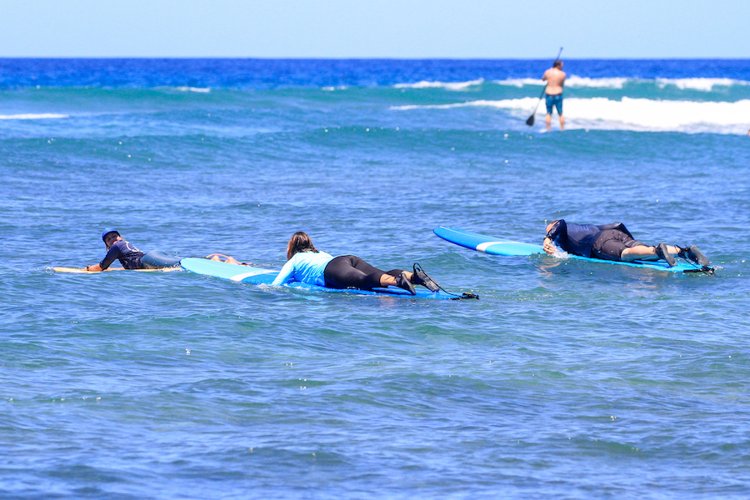
A beginner’s first paddling experience is usually different from what they expect.
Many people assume paddling is simply about moving their arms faster.
In reality, effective paddling involves:
The goal is not to fight the ocean.
It is to move with it.
Once surfers understand this, paddling becomes smoother and more natural.
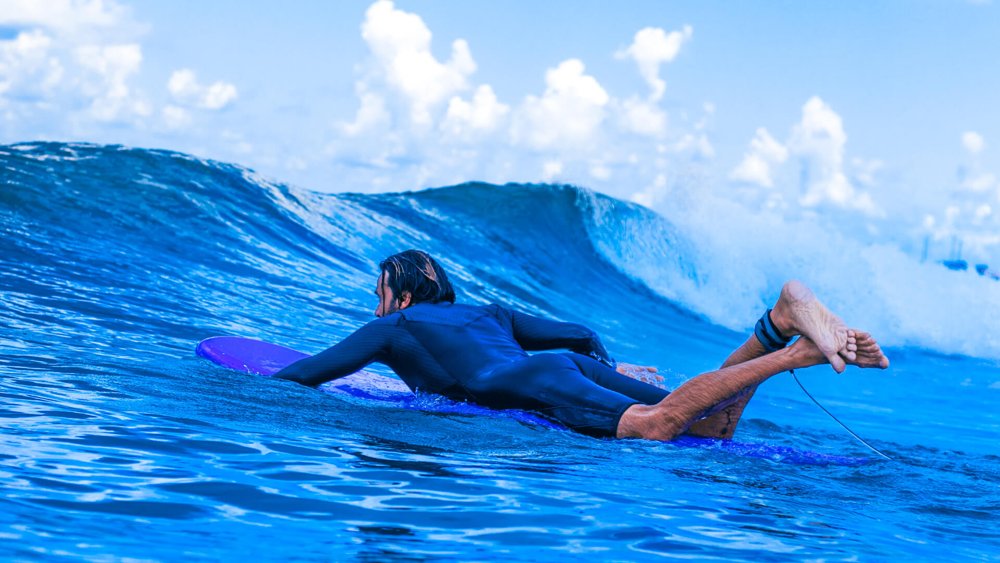
The way you sit on your surfboard affects everything that happens next.
If your body position is not balanced, paddling can become harder than it needs to be.
A good position helps the board glide properly through the water.
Beginners should focus on:
Your weight should be centred so the nose of the board does not sink too much or rise too high.
A stiff body uses more energy. Relaxed movements create better control.
Keeping your head up helps maintain direction and prepares you to read what is happening around you.
Strong paddling is not about using maximum effort all the time.
Experienced surfers understand rhythm.
A good paddle combines:
When movements become smoother, surfers can travel further without becoming exhausted quickly.
This allows more energy to be saved for the moments that matter — catching and riding waves.
A surfboard responds to every movement you make.
Small adjustments can change how easily you move through the water.
Paddling uses more than just your arms.
Your:
Understanding this connection helps surfers become more efficient.
Many beginners struggle because of simple habits.
Rushing movements can create fatigue without improving speed.
Ignoring body positioning can make paddling less effective.
Holding your breath creates tension and makes movement harder.
Sometimes the ocean requires patience. Choosing the right moment is part of good paddling.
Confidence in surfing often begins before standing on the board.
When surfers feel comfortable moving through the water, they become more prepared for different situations.
Better paddling helps beginners:
At Aotearoa Surf School, building strong surfing foundations includes understanding essential skills that help surfers feel comfortable and confident in the water.
Paddling improves through repetition.
Every session teaches something new:
Instead of focusing only on catching waves, beginners can use each session as an opportunity to improve their movement.
Small improvements create better surfing experiences over time.
Paddling is more than a way to reach waves.
It is the connection between preparation and performance.
The stronger that connection becomes, the easier it is to enjoy the rest of the surfing experience.
Every surfer remembers the exciting moments on the wave, but those moments begin with the simple movement that gets them there — the paddle.