Canned Food Packaging Market Size and Growth Forecast to 2034
During the forecast timeline, the global canned food packaging market is projected to grow consistently, supported by increased demand for preserved food and efficient packaging solutions. The report includes market performance analysis, growth rate assessment, and future outlook. It offers insights into market dynamics, regional demand patterns, and competitive developments. The study helps stakeholders understand how packaging innovation and food consumption trends are shaping long-term market growth.
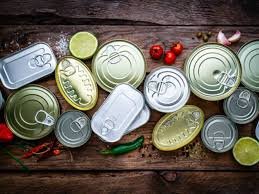
Market Size and Forecast
The Canned Food Packaging Market was valued at USD 36.66 Billion in 2025. The market is projected to reach USD 56.68 Billion by 2034. It is expected to grow at a CAGR of 4.96% during 2026-2034. Growth is supported by rising demand for convenient food products, longer shelf life solutions, and improved packaging technologies.
The report offers detailed insights into market trends, competitive strategies, and production developments. It explains how changing consumer lifestyles and retail expansion are influencing packaging demand. The study also highlights investment trends, regulatory framework, and innovation in material usage. It provides a balanced view of growth drivers and challenges affecting the industry.
Market Segmentation
The market is segmented based on type of food, distribution channel, raw material, types of can, and preservation technique. These categories help understand demand patterns and production preferences across different industries and regions.
By Type Of Food
This segment covers different categories of canned food products that require safe and durable packaging. Demand varies depending on consumption habits and regional food preferences.
- Canned Fish And Seafood: Used widely for tuna, sardines, and other seafood products requiring strong protection, longer shelf life, and resistance to contamination during storage and transport.
- Canned Vegetables: Popular for preserving freshness and nutrients, offering convenience and year round availability to consumers across urban and rural markets.
- Canned Meat Products: Ensures safe storage of processed meat items with extended shelf stability and protection against spoilage and external damage.
- Canned Fruits: Supports preservation of seasonal fruits, maintaining taste and texture while enabling easy storage and global distribution.
- Canned Ready Meals: Growing demand due to busy lifestyles, providing convenient meal solutions with secure and reliable packaging.
- Milk And Sauces: Requires airtight and hygienic containers to maintain quality, flavor, and safe consumption over extended periods.
- Beans And Legumes: Used for protein rich food storage, ensuring durability and preventing moisture exposure.
- Other Canned Food Products: Includes various specialty and regional food products packaged for longer shelf life and easy distribution.
By Distribution Channel
This segment explains how canned food products reach consumers through different retail and supply networks. Expansion of organized retail supports steady growth.
- Supermarkets And Hypermarkets: Major sales channel offering wide product variety and strong shelf presence for canned goods.
- Independent Retailers: Local stores supporting accessibility and neighborhood level product availability.
- Convenience Stores: Focus on quick purchase options, supporting impulse buying and small pack formats.
- Specialist Retailers: Dedicated food stores offering selected or premium canned food products.
- Other Distribution Channels: Includes online platforms and alternative retail formats supporting broader consumer reach.
By Raw Material
Raw materials play a key role in ensuring durability, safety, and sustainability of packaging solutions. Manufacturers focus on strength and recyclability.
- Aluminium: Lightweight, corrosion resistant, and widely recyclable, supporting sustainable packaging initiatives.
- Steel: Strong and durable material offering high protection and long shelf life.
- Tinplate: Commonly used for food cans due to its protective coating and strength.
- Glass: Provides transparency and premium appearance while maintaining product freshness.
- Plastic: Lightweight and cost effective, used in selected canned packaging applications.
By Types of Can
Different can designs are developed to meet food safety, durability, and production efficiency requirements.
- 3-piece Welded: Traditional can design offering strong sealing and reliable food protection.
- 2-piece: Manufactured using fewer joints, reducing leakage risks and improving durability.
- D&I: Drawn and ironed cans providing uniform thickness and high production efficiency.
- DRD: Drawn and redrawn cans offering enhanced strength and structural integrity.
- Drawn Wall-Ironed: Advanced can type ensuring lightweight design with strong body structure.
- Single Drawn: Simple design suitable for selected food applications.
- Open Top Sanitary: Designed for hygienic food storage with secure sealing and easy opening.
Key Players
The market is moderately competitive with established packaging manufacturers focusing on product innovation and geographic expansion.
- Crown Holdings: A leading packaging company offering metal packaging solutions for food and beverage industries worldwide.
- Ball Corporation: Known for sustainable aluminium packaging solutions and strong global manufacturing presence.
- Silgan Holdings: Provides rigid packaging solutions with focus on food safety and product protection.
- Ardagh Group: Offers metal and glass packaging with emphasis on innovation and sustainability.
- Toyo Seikan Group: Specializes in diversified packaging solutions supporting food preservation and quality.
Companies are focusing on sustainable materials, advanced manufacturing, and strategic partnerships to strengthen their market position.
Regional Insights
The market shows balanced growth across developed and emerging regions driven by rising packaged food consumption.
- North America: Strong demand for ready to eat meals and processed food supports steady packaging requirements with advanced manufacturing infrastructure.
- Europe: Focus on sustainability and recycling initiatives encourages use of recyclable metal and glass packaging solutions.
- Asia-Pacific: Rapid urbanization, expanding retail sector, and growing middle class population drive higher canned food consumption.
- Latin America: Increasing food processing activities and retail development contribute to moderate market expansion.
- Middle East & Africa: Growing urban population and improving food supply chains support gradual demand growth.
Information Source: https://www.valuemarketresearch.com/report/canned-food-packaging-market
