
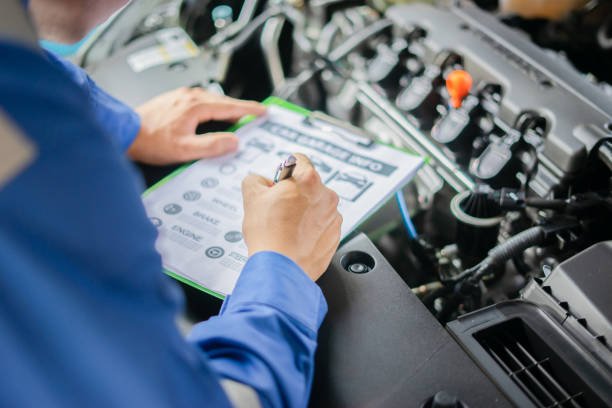
It is necessary for all cars in the UK to have an annual test three years after they are purchased. When people in Birmingham book an MOT test, they receive an independent evaluation of whether their car satisfies the minimum safety requirements. This inspection ensures the vehicle's essential components remain roadworthy and helps protect both the car occupants and other road users from accidents.
Although modern cars appear durable, wear builds up slowly beneath the bodywork, an area drivers often fail to inspect. Components such as ball joints, brake hoses, and suspension springs break down. Having annual car servicing in Birmingham enables technicians to detect wear before the parts break, while the vehicle is travelling on busy city roads.
Under UK law, cars over three years old must have a valid DVSA certificate. If you drive without a valid certificate, you could be fined up to £1,000. Also, if you drive a vehicle with dangerous defects, you may be fined up to £2,500 and be given three penalty points on your driving licence.
The law treats roadworthiness as a duty you must actively fulfil. Drivers can stay compliant and avoid heavy fines by carrying out routine inspections. This also ensures that the vehicle meets the basic safety rules required in the UK.
What does a tester look at when he lifts a car up on the workshop ramp? He carefully inspects the systems which control, stop and support the chassis. The technicians examine the steering rack, the track rod ends and the wheel bearings for any looseness, since the detection of loose parts would prevent the car from wandering across the road at speed.
Brake efficiency is another key part of the evaluation. The technician inspects braking force on both axles using a roller brake tester, recording total force and side-to-side balance. Uneven brakes can cause the vehicle to skid sideways when braking hard. Detecting warped discs or stuck callipers helps driversstay in controlduringg sudden stops.
Road salt and surface water speed up rust on structural steel. Over time, this rust weakens key load-bearing sections. Technicians inspect the chassis, sills, and suspension mounting points to confirm that rust has not degraded the metal within prescribed distances of structural joints. Heavy rust can weaken the cabin frame in a crash. Thorough underside checks keep drivers and passengers safe.
The suspension systems also experience problems on the uneven British tarmac, and during the ramp inspection technicians look for a number of typical signs of wear and fatigue:
In Birmingham, drivers should combine suspension inspections with regular car servicing, as this lets technicians repair worn bushes before they damage the steering links or wear down the tyres.
The test helps keep city air clean by checking tailpipe exhaust emissions. Testers use gas meters on petrol cars and smoke meters on diesels. These tools confirm that exhaust emissions stay within legal limits. High carbon levels indicate unburnt fuel, pointing towards faulty oxygen sensors or clogged air intake systems.
Diesel vehicles undergo rigorous inspections of their particulate filters, which catch harmful soot particles. If the filter is missing, damaged, or not working properly, the vehicle will fail the inspection immediately. The emission regulations prevent dirty cars from worsening the air quality in busy towns and suburbs.
The only part of the car that makes contact with the road is the tyres, and the condition of the tyres determines both grip and braking distance. To check that the tyres meet the legal minimum of 1.6 mm, technicians measure tread depth across the central three-quarters of the tyre surface. Tyres that have deep cuts in the sidewall, exposed cords, or structural bulges are immediately rejected since damaged rubber could lead to a blowout at high speed.
Lighting inspections verify that the bulbs, lenses, and headlamp aim comply with specific operational rules. Misaligned headlamps can blind oncoming drivers, while those aimed too low fail to illuminate dark rural lanes properly. The testers also ensure the indicators, hazard lights, and brake lights display the correct colour. Bright bulbs help other drivers see the signals clearly.
An annual roadworthiness inspection goes far beyond merely fulfilling a legal requirement. It provides an honest assessment of a car's safety by identifying worn steering components, frame rust, and uneven brakes before accidents occur. It also ensures exhaust fumes stay within allowed limits and helps maintain local air quality. Early fault detection also reduces running costs for car owners. Regular servicing means fewer breakdowns throughout the year. Drivers can arrange an MOT inspection in Birmingham through ag-tyres.com in Test Birmingham.
Book an inspection with ag-tyres.com in Test Birmingham to keep any vehicle safe and roadworthy.
A standard test usually takes 45 to 60 minutes. The tester checks lights, brakes, emissions, and underside parts against clear DVSA rules. Garages often ask motorists to leave the car for a couple of hours to fit it into workshop schedules.
A motorist can only take a broken-down car away if the previous certificate is still valid and no dangerous defects have been detected. However, if an examiner identifies a dangerous fault, the car must not be driven on public roads until the mechanical problems have been repaired.
Drivers can book a test up to 30 days in advance without changing their renewal date. During this 30-day period, they can carry out any necessary car servicing and, in Birmingham, keep their original renewal date.