
Sterilization is vital in pharmaceutical manufacturing, ensuring safety and compliance. Among the most common sterilization techniques are Autoclaving and Dry Heat Sterilization (DHS). Both achieve the goal of eliminating microorganisms, but their methods and applications vary. Understanding the differences helps facilities select the most effective process for their needs.
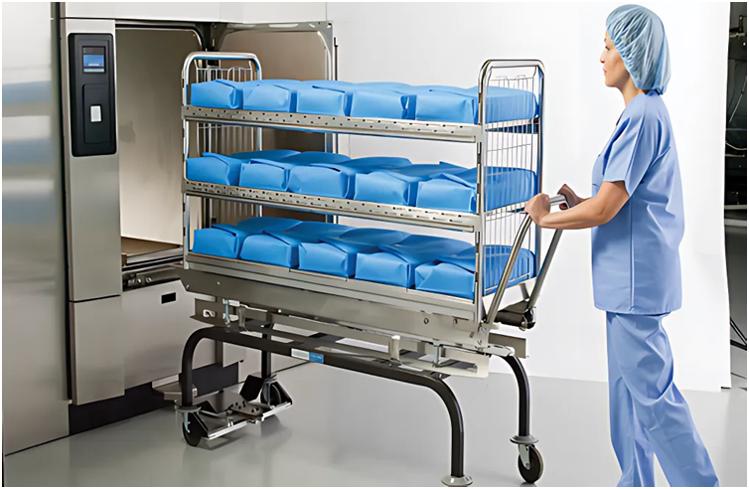
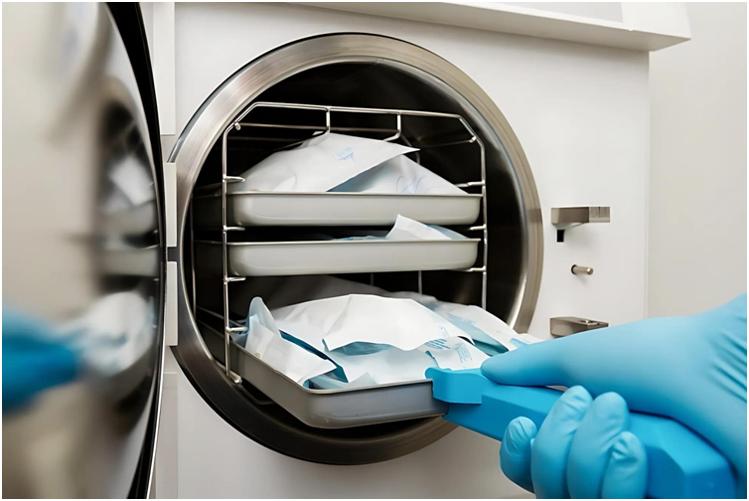
Autoclaving uses pressurized steam at 121-135°C to sterilize equipment and materials. It is widely adopted for reusable instruments, media, and lab supplies. This method is fast and effective against bacteria, spores, and other microorganisms.
Ø Quick and highly effective
Ø Eco-friendly (steam-based)
Ø Not suitable for powders, oils, or heat-sensitive items
Parameter Autoclave DHS
Temperature 121-135°C 160-300°C
Pressure Steam pressure required No pressure
Cycle Time 15-60 minutes 1-2 hours
Best For Media, instruments, labware Glass, oils, powders, metals
In the pharmaceutical industry, Pharma EHS & sustainability consultancy is essential when evaluating sterilization methods like Autoclave and Dry Heat Sterilization (DHS). While autoclaves are faster and water-intensive, DHS consumes more energy but eliminates moisture-related risks. Consultancies help balance safety, compliance, and environmental impact, ensuring sterilization choices align with both EHS standards and long-term sustainability goals.
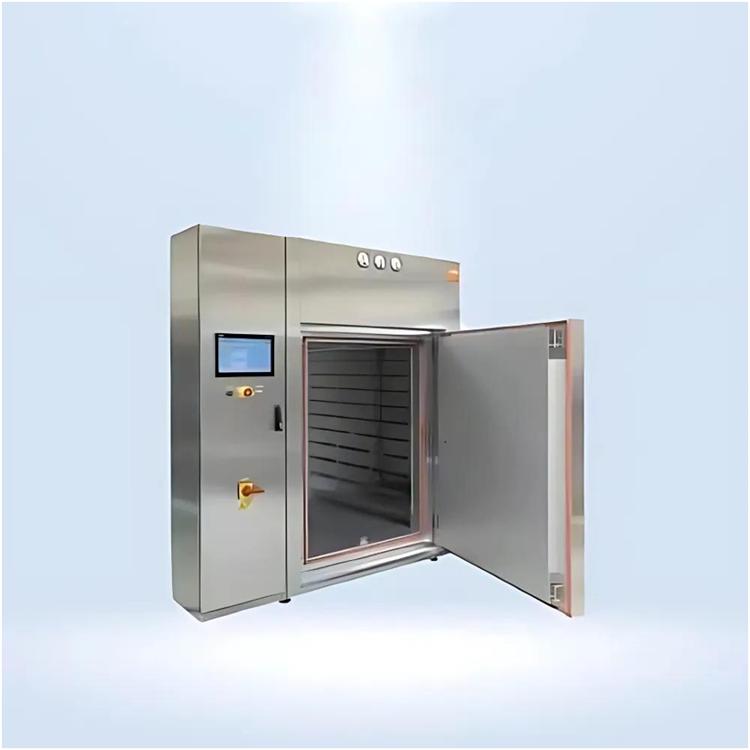
DHS involves hot, dry air at 160-300°C circulated by a blower. Unlike autoclaving, it requires no pressure or moisture, making it suitable for glassware, powders, oils, and sharp instruments. Though slower, it avoids risks of corrosion or wet loads.
Ø Ideal for heat-stable materials
Ø No corrosion, no moisture risks
Ø Longer cycles, higher energy demand
Both autoclaves and DHS play critical roles in pharmaceutical operations. The choice depends on material type, efficiency requirements, and regulatory needs. Autoclaves are faster and versatile, while DHS is better for dry, heat-stable items. Consulting experts ensure the right solution for safe and compliant processes.