

teacherlibrarianwiki / Copyright Friendly Image Sources Copyright-Friendly Images (Mostly!) for Use in Multimedia Projects and Web Pages In the spirit of the open source movement, new copyright-friendly (and some copyleft) archives are emerging, removing many of the legal and ethical thorns relating to image use in student production. In addition, a number of government image archives provide their archives with limited restrictions. Check out this cool video for an explanation of new, alternate forms of licensing: Creative Commons Video Most of the images in the collections below include images with a variety of less restrictive licensing. US Government Graphics and Photos Wikipedia Free Images Yotophoto Common Content Creative Commons Open Photo Project PD Photo
NRCS Photo Gallery Home Public domain image resources Public domain image resources is a copy of the master Wikipedia page at Meta, which lists a number of sources of public domain images on the Web. Public Domain images should be marked with the Public Domain Mark 1.0. Public Domain Mark enables works that are no longer restricted by copyright to be marked as such in a standard and simple way, making them easily discoverable and available to others. The Public Domain Mark is recommended for works that are free of known copyright around the world. These will typically be very old works.[1] For a creator to release his/her works into the public domain legally they must use the creative commons CC0 license which gives creators a way to waive all their copyright and related rights in their works to the fullest extent allowed by law.[2] The presence of a resource on this list does not guarantee that all or any of the images in it are in the public domain. Please read the policy on image use and etiquette at: Wikipedia:Image use policy.
JSC Digital Image Collection Community Audio : Free Audio Voice that nearly like human by AI testing Issue 1: No voice because need wait for generate Topics: text to speech, humanable voice by audiofighter.com Audiofighter.com is a simple platform to distribute FREE music and audio under fair use licenses, but also to sell music synch & commercial licensing to indie and commercial filmmakers, videomakers, ad agencies, radiostations, tv broadcasters, students and users that make non-commercial (or commercial) videos mainly on youtube, vimeo, dailymotion and regional or local events or broadcasts, we think that if a user wants to use a track for non-commercial usage, they can download and use the... Topics: free, background, music, dhalius, laredo, background, music, tracks, soundtrack, audio, videos,... للمزيد من الأناشيد والأدعية Topic: twakalto by تم رفع هذه المادة بواسطة مُسلم التونسي_uP_bY_mUSLEm تم رفع هذه المادة بواسطة .. Audio Topic: Audio.especial.marvel Sefefo se tsoang lefatšeng le leng se ile sa koahela Moscow. by islamiyat01 by youtube
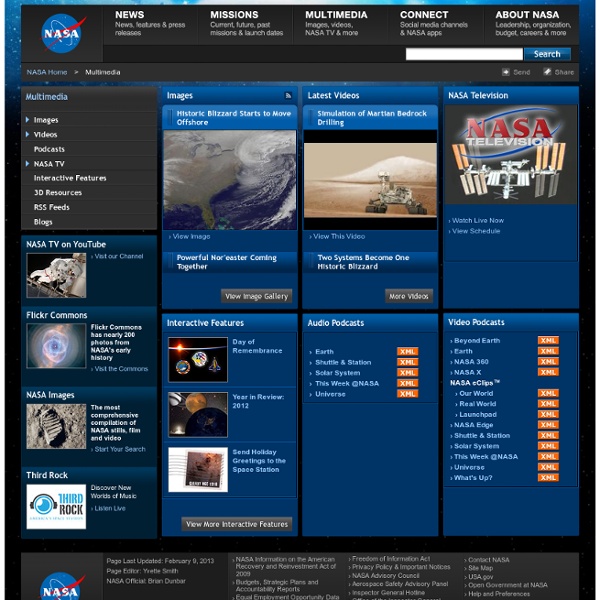
NOAA Photo Library - HOME opsound: free love, free music Photojournal: NASA's Image Access Home Page Category:Video Cancel Edit Delete Preview revert Text of the note (may include Wiki markup) Could not save your note (edit conflict or other problem). Please copy the text in the edit box below and insert it manually by editing this page. Upon submitting the note will be published multi-licensed under the terms of the CC-BY-SA-3.0 license and of the GFDL, versions 1.2, 1.3, or any later version. Add a note Draw a rectangle onto the image above (press the left mouse button, then drag and release). Save To modify annotations, your browser needs to have the XMLHttpRequest object. [[MediaWiki talk:Gadget-ImageAnnotator.js|Adding image note]]$1 [[MediaWiki talk:Gadget-ImageAnnotator.js|Changing image note]]$1 [[MediaWiki talk:Gadget-ImageAnnotator.js|Removing image note]]$1
Free Pictures - FreeFoto.com