

Chess Tactics Explained in English: Ward Farnsworth's Predator at the Chessboard Fake Spoof Websites social spoof sites historical spoof religious fake political fake sites Introduction to fake websites Librarians and educators need to be able to illustrate to students and users alike that websites cannot always be trusted to provide truthful and accurate data. This page provides examples of websites that are full of lies, inaccuracies or false information - either for amusement or for more worrying reasons. Fake websites - scientific and commercial All of the following websites are, to the best of my knowledge fake sites, spoof sites or parodies of 'real' sites. Sites are arranged in subject groupings, with what I consider to be the most credible examples at the top; hopefully this will help when you come to choose examples for yourself or students. This page contains examples of scientific and commercial sites. Please note however that I cannot tell you if a site is a fake or spoof site. Social Dog Island An island where dogs are free to roam and bark and play all day long. Type: Social Credibility? Child safe? Coalition to end female mammary mutilation News
Welcome To The White House Category Spotlight: Arcade game best practices As the types of categories of games on Facebook become more diverse, we'll be highlighting some of the most successful games in a series of posts on the Developer Blog. A classic game category that has been played by diverse audiences over the years, arcade games such as Bejeweled Blitz, Fruit Ninja Frenzy, and Diamond Dash have been picking up momentum on Facebook Platform lately. Whether on mobile or desktop, these short-session games use a variety of tactics to keep people coming back week after week and to encourage friendly competition. Arcade games growing on Facebook In our research, people who play arcade games do so because the games are quick and easy to play and are a fun way to compete and socialize with friends. As a result, these games have seen steady growth in active users month after month. Let’s take a look at some of the techniques that arcade games use to achieve steady growth and high engagement on Facebook. Bringing friends into the game Bragging Weekly Tournaments
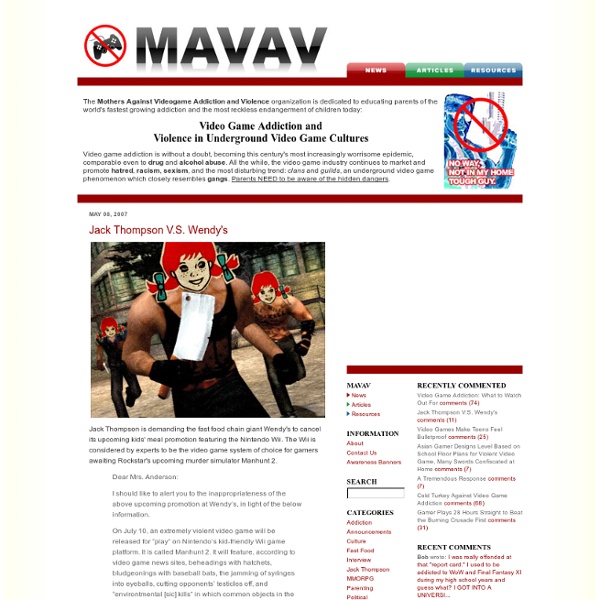
What Not to Crochet | because there's always one more crochet design that shouldn't be made! Evaluating Internet Resources How do I evaluate the quality of websites? How can I teach students to evaluate websites? Where can I find checklists for evaluation? Evaluating Internet Resources There's lots of good information on the Internet, but you will also find opinions, misconceptions, and inaccurate information. Read Evaluating Information: An Information Literacy Challenge by MaryAnn Fitzgerald. Do you believe everything you read? Look for what Wikipedia calls the "verifiability" of information. Read Wicked or Wonderful: Revisiting Wikipedia by Annette Lamb. Misleading Websites Some websites were designed to be intentionally misleading. Read How to Spot a Fake Website by Garen Arnold (2009). Use the following websites to explore the issue of Internet content. Fake news has become a popular form of satire. The Onion The Daily Show from Comedy Central Colbert Report from Comedy Central A few websites are addressing the issue of misleading information. Criteria for Evaluation Authority. Filtering Information
Kingdom Rush Valid Internet Sources for Student Research Not all online sources are created equal. While there are scores of legitimate sources online – including whole encyclopedias and many scholarly journals, there are also many that are much less credible. When a student cites a Web site in a report, it’s important for teachers to know the difference between content written by a professional (who did proper research himself) and “crowd-sourced” content. Crowd sourcing is when information gets posted on the Internet by people who claim to know the facts. To help you stay a step ahead of your students, EducationWorld will update this article from time to time as new sites go online. Wikipedia: The biggest and most successful of all the crowd-sourced sites, Wikipedia.com is essentially an encyclopedia written by random people on the Internet. Validity: Wikipedia is not a proper source for citations or any real research. Validity: Articles on Demand Media sites are usually written very quickly and are often very short. Yahoo!