

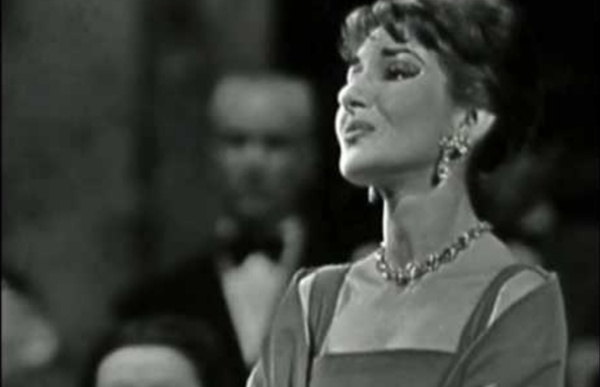
http://www.youtube.com/watch?v=lspRhX5Vhhg
Related: LELE thématiques 2et 4Charles Dickens Charles Dickens (1812-1870), English Victorian era author wrote numerous highly acclaimed novels including his most autobiographical David Copperfield (1848-1850); “Whether I shall turn out to be the hero of my own life, or whether that station will be held by anybody else, these pages must show. To begin my life with the beginning of my life, I record that I was born (as I have been informed and believe) on a Friday, at twelve o'clock at night. Carmen - Habanera paroles - Maria Callas L'amour est un oiseau rebelle Que nul ne peut apprivoiser Et c'est bien en vain qu'on l'appelle C'est lui qu'on vient de nous refuser Rien n'y fait, menaces ou prieres L'un parle bien, l'autre se tait Et c'est l'autre que je prefere Il n'a rien dit mais il me plait L'amour, l'amour, l'amour, l'amour L'amour est enfant de boheme Il n'a jamais jamais connu de lois Si tu ne m'aimes pas je t'aime Si je t'aime prend garde a toi Si tu ne m'aimes pas Si tu ne m'aimes pas je t'aime Mais si je t'aime, si je t'aime Prends garde a toi L'oiseau que tu croyais surprendre Battit de l'aile et s'envola L'amour est loin, tu peux l'attendre Tu ne l'attends plus, il est la Tout autour de toi, vite, vite Il vient, s'en va puis il revient Tu crois le tenir, il t'evite Tu crois l'eviter, il te tient Album : The Platinum Collection
Decoding the Salem Witch trials, Part 1 The witch trials that took place in Salem, Massachusetts Bay Colony, in 1692 represent the most famous Puritan moment in American history; it is the one thing most people think of when they think of the New England Puritans. Usually, it is seen as a shocking and indisputable indictment of the Puritans’ intolerance and ignorance, and even sexism. To get at the truth of what happened in Salem and to understand why it happened, we have to get a little background on Puritan ideas about witchcraft. Then we’ll set the scene for events in Salem, taking into account the political and religious strife occurring in that venerable town in the late 1600s. Finally, we’ll take a look at the trials and the various explanations scholars have offered to explain what really went on during the witch scare.
McCarthyism U.S. anti-Communist literature of the 1950s, specifically addressing the entertainment industry During the McCarthy era, thousands of Americans were accused of being communists or communist sympathizers and became the subject of aggressive investigations and questioning before government or private-industry panels, committees and agencies. The primary targets of such suspicions were government employees, those in the entertainment industry, educators and union activists. Suspicions were often given credence despite inconclusive or questionable evidence, and the level of threat posed by a person's real or supposed leftist associations or beliefs was often greatly exaggerated. Many people suffered loss of employment and/or destruction of their careers; some even suffered imprisonment.
More's Utopia (wiki) Utopia (in full: De optimo reip. statv, deque noua insula Vtopia, libellus uere aureus, nec minus salutaris quam festiuus ) is a work of fiction and political philosophy by Thomas More published in 1516. English translations of the title include A Truly Golden Little Book, No Less Beneficial Than Entertaining, of the Best State of a Republic, and of the New Island Utopia (literal) and A Fruitful and Pleasant Work of the Best State of a Public Weal , and of the New Isle Called Utopia (traditional). [ 1 ] (See " title " below.) The book, written in Latin , is a frame narrative primarily depicting a fictional island society and its religious , social and political customs. [ edit ] Title
The Migrant Experience A complex set of interacting forces both economic and ecological brought the migrant workers documented in this ethnographic collection to California. Following World War I, a recession led to a drop in the market price of farm crops and caused Great Plains farmers to increase their productivity through mechanization and the cultivation of more land. This increase in farming activity required an increase in spending that caused many farmers to become financially overextended. The stock market crash in 1929 only served to exacerbate this already tenuous economic situation.
The Unknown Citizen: W.H. Auden - Summary and Critical Analysis The Unknown Citizen by W.H. Auden is a satiric poem. It describes an average citizen in a government-controlled state. In many big cities, there is a monument to the Unknown Soldier that stands for the thousands of unknown soldiers who die for their country. The title of Auden’s poem parodies this. The Unknown Citizen Study Guide During the 1920s and 30s, many American writers left the states to become expatriates overseas, particularly in Europe. Ernest Hemingway, T. S. Eliot, and F. Scott Fitzgerald are three famous examples.
Satire - Examples and Definition of Satire Satire Definition Satire is a technique employed by writers to expose and criticize foolishness and corruption of an individual or a society by using humor, irony, exaggeration or ridicule. It intends to improve humanity by criticizing its follies and foibles. A writer in a satire uses fictional characters, which stand for real people, to expose and condemn their corruption.
Peter Viney's Blog Written & Directed by Tate Taylor From the novel by Kathryn Stockett L to R: Aibileen, Minny, Skeeter, Hilly Emma Stone … SkeeterViola Davis … Aibileen Octavia Spencer … Minny Bryce Dallas Howard … HillyJessica Chastain – Celia Our small town cinema had queues outside, was virtually full on a cold Monday (400 +), the audience was 80-90% female, and it got loud clapping over the credits … very rare in Britain. Viola Davis was widely expected to walk the Golden Globe for her portrayal of Aibileen, but lost at the end to Meryl Streep. The Grapes of Wrath by John Steinbeck Set during the Great Depression of the 1930s, John Steinbeck’s novel The Grapes of Wrath tells the story of the Joads, a family of tenant farmers driven from their Oklahoma home by the Dust Bowl and related financial hardship. Along with thousands of other "Okies," they migrate along Route 66 to California in search of jobs and opportunities. The novel explores themes of poverty, discrimination, social justice, and sacrifice.