Teaching English in Thailand, TEFL, TESOL Job in Thailand. Thailand. Thailand. Map of Thailand. Farang. The tourist hub of Bangkok's Khaosan Road is associated with farang. Farang (Thai: ฝรั่ง [faràŋ]) is a generic Thai word for someone of European ancestry, no matter where they may come from. The Royal Institute Dictionary 1999, the official dictionary of Thai words, defines the word as "a person of white race".[1] Etymology and related words[edit] It is generally believed that the word farang originated with the Persian word farang (فرنگ) or farangī (فرنگی), meaning "Frank, European". This in turn comes from the Old French word franc, meaning "Frank", a West Germanic tribe that became the biggest political power in Western Europe during the early Middle Ages, and from which France derives its name. Other uses[edit] Varieties of food/produce which were introduced by Europeans are often called farang varieties. In the Isan Lao dialect, the guava is called mak sida (Thai: หมากสีดา), mak being a prefix for fruit names.
See also[edit] References[edit] External links[edit] Behaviour Rules for Farangs, Reception, Manners & Hints. Behavioural rules for Farangs (western foreigners) - Generals dealing with Thais For us western visitors it is almost impossible to behave correctly in Thailand.
But as Thais are extremely polite people and in addition know that for non-Thais it is very difficult to apply to their own behavioural rules against Farangs necessarily tolerance is applied. Many of our "mistakes” are forgiven but we should always take care on also in Thailand to keep with our western courtesy rules – by this almost all "put one’s foot in it” can be avoided.
Should it however happen often a smile is enough to excuse the faux pas. In all cases everything should be avoided that could make the opponent loosing his face. Thus nobody should be shown up in front of others or being criticised to hard. Culture. Thailand (/ˈtaɪlænd/ TY-land or /ˈtaɪlənd/ TY-lənd;[11] Thai: ประเทศไทย, RTGS: Prathet Thai), officially the Kingdom of Thailand (Thai: ราชอาณาจักรไทย, RTGS: Ratcha Anachak Thai; IPA: [râːt.tɕʰā ʔāːnāːtɕàk tʰāj] (
Thai culture in Bangkok. Thailand is a country with rich cultural history and refined traditions, and is well known for its individuality and uniqueness.
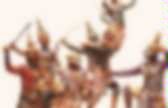
Thai culture has been passed down through the centuries, starting from the early Lanna period through to the Sukhothai and Ayutthaya periods to the current ‘glorious era’ of Rattanakosin. Bangkok, as the capital during some of the Kingdom’s most prosperous eras, is seat to some of Thailand’s finest cultural sites, which form one of the highlights of visit to the city. The explosion of colour that makes up Thai culture includes graceful classical dance, traditional music, beautiful costumes, striking architecture, as well as Buddhism, art, and a long tradition of handicraft. They can all be seen in most tourist places in Thailand.
Thailand culture etiquette: What not to do. Lindsay Grahaem's image for: "Thailand Etiquette what not to do" Caption: Location: Image by: Different cultures have their own set of behavioural rules, and Thailand is no exception.
-Don't Insult The Monarchy- The Thais are fiercely proud of their Royal Family and will not tolerate any disrespect being shown, or derogatory comments being made about their much beloved King and his family. -Don't Point Your Feet At People- The feet are seen as the lowest, dirtiest part of the body and as such feet should ideally be kept at floor level, or if seated, tucked out of the way. -Don't Touch People's Heads- Thailand's World : Thai Culture in Thailand. Thai culture needs to be understood from the ethnic traditions of the various peoples who migrated to Thailand to form the Thai culture as we understand it today, the influences from India of religion and mythology, the origin myths of some of the minorities living in Thailand and animist traditions which continue today.From these traditions we have a Thai culture where belief systems are distinguishable from elsewhere and the themes of these are reflected in the performing arts of music and dance, in the art forms of woodwork, sculture, murals, pottery and bronze and significantly in architecture forms and decorations, both in the past and continuing in new buildings today.
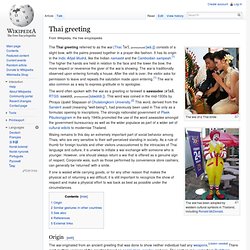
Most importantly Thai culture is significant in the behaviour, customs and beliefs of the Thai people today. Thai Culture and Buddhist Traditions Thai culture is Buddhist. Thai Culture About Telling Lies Thai culture does not permit telling lies. Thai greeting. The wai of a Thai bride The wai has been adopted by western cultural symbols in Thailand, including Ronald McDonald.
Thai 101 - Greetings - Level One. Thai Language Alphabet Vowels Numbers. Thai Language Alphabet Vowels Numbers.
The language of Thailand is one of most ancient of languages in the East and the South Eastern part of Asia. It is monosyllabic and uses the five basic tones of high, mid, low, rising, and falling tone to change the meaning of a single syllable. It is this particular aspect that makes it a difficult language for most Westerners to master but learning it is helpful never the less.