
Recado para TODOS os músicos FRACASSADOS... The Unstoppable Guitar System Login. Holding Back the Years. Origem: Wikipédia, a enciclopédia livre.
Holding Back the Years é a sétima faixa do álbum de estreia do Simply Red chamado Picture Book. O líder da banda, Mick Hucknall, escreveu a canção quando tinha dezessete anos e vivia em casa do seu pai. Livros Didáticos. Livros didáticos exclusivos Por meio de duas coletâneas, elaboradas exclusivamente para o Projeto Guri, garantimos o acesso de educadores e alunos a um conteúdo com informações técnicas e atualizadas, desenvolvido por renomados músicos e educadores musicais nos cenários nacional e internacional.
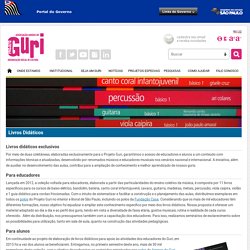
A iniciativa, além de auxiliar no desenvolvimento das aulas, contribui para a ampliação de conhecimento e melhor aprendizado de nossos guris. Para educadores Lançada em 2012, a coleção voltada para educadores, elaborada a partir das particularidades do ensino coletivo da música, é composta por 11 livros específicos para os cursos de baixo elétrico, bandolim, bateria, canto coral infantojuvenil, cavaco, guitarra, madeiras, metais, percussão, viola caipira, violão e 1 guia didático para cordas friccionadas. Para alunos. Iannis Xenakis - Metastasis (Spectral View) Shoegaze. Origem: Wikipédia, a enciclopédia livre.
O estilo shoegazing surgiu da postura de palco dos shoegazers, que durante os shows ficavam em seu mundo particular, pouco se importando com a performance de um show ou mesmo qualquer contato com o público. Violão Mais - A revista digital dos instrumentos de cordas. 3 Formas de Identificar Músicas Usando a Melodia. 3 Métodos:Usando a tecnologiaLembrando por conta própriaObtendo ajuda de outras pessoas Já aconteceu com todos nós: ouvimos uma música, ficamos com ela grudada na cabeça, mas sem ter ideia do nome ou do artista.

Embora a letra seja a forma mais fácil de encontrar uma música, muitas vezes uma melodia simples pode ser tudo que você precisa. Pedir ajuda a algum amigo músico pode ser um bom começo, mas com o advento dos aplicativos e o avanço da tecnologia, há diversas alternativas para as quais você pode recorrer. Passos. Impostação Vocal. Impostar a voz é usar todos os recursos técnicos disponíveis como respiração, apoio, Articulação e ressonância, tirando a voz de lugares que podem prejudicar o Canto, por exemplo: garganta (Voz gutural) , nariz (Voz anasalada) e faringe (voz entubada, abafada).
O ideal é uma voz equilibrada usando todos os pontos de ressonância procurando sempre colocar a voz, pressão de som para cima, preenchendo toda a cabeça, principalmente a máscara. Colocar a voz pra cima, encaixar a voz geralmente são termos usados pelos professores quando querem se referir a impostação da voz. A impostação se dá através de exercícios específicos como Boca Chiúsa (Boca fechada) e vocalizes usando diversas combinações de vogais, escalas e tonalidades, exercitando a voz em toda a sua extensão, aplicando a técnica respiratória, abertura de boca e projeção do som. Existem pelo menos três maneiras de se cantar ou de impostação vocal, depnedendo do timbre do cantor ou gênero musical. Curso de Viola – A diferença entre música e musicalidade. Os termos música e musicalidade, por muito tempo foram associados como sendo um sinônimo da outro.
Temos a ideia de que ser musical é apenas aquele que, com o seu instrumento ou voz, consegue interpretar o sistema de notação musical, porém esse entendimento é bastante restrito. Então, o que seria musicalidade? Viver de Música! (Sem ser o Kiko Loureiro) PT - 1. Garotos Prodígio - Como explicar?
TONAL X MODAL - O que é? Como diferenciar? Dodecafonismo. Origem: Wikipédia, a enciclopédia livre.
O dodecafonismo (do grego dodeka: 'doze' e fonos: 'som') é um sistema de organização de alturas musicais criada na década de 1920 pelo compositor austríaco Arnold Schoenberg.[1] Técnica[editar | editar código-fonte] História[editar | editar código-fonte] Como o esgotamento do sistema tonal no início do século XX os compositores buscaram maneiras alternativas de organização das notas musicais,[3] posteriormente denominadas atonalismo, que não fossem baseadas na polarização de um eixo harmônico central como ocorre no tonalismo.
Schoenberg compôs algumas peças desta maneira, porém, logo considerou o atonalismo demasiadamente sem regras. Dodecafonismo no Brasil[editar | editar código-fonte] No Brasil, o dodecafonismo foi introduzido pelo compositor Hans Joachim Koellreutter.[4] Foi amplamente utilizado no Brasil por diversos compositores como Guerra Peixe, Edino Krieger, Cláudio Santoro, José Penalva. 10 Ways To Sound Like Stewart Copeland - DRUM! Magazine - Play Better Faster. The time and place that saw Stewart Copeland’s emergence was in the midst of an artistic cleansing.
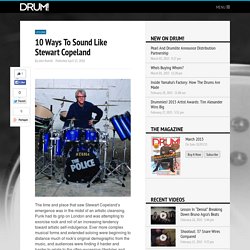
Punk had its grip on London and was attempting to exorcise rock and roll of an increasing tendency toward artistic self-indulgence. CURSO DE CANTO - Todos podem aprender a Cantar bem mesmo os desafinados. Drum Talk TV - Master Street Drummer. Frases Típicas de Viola Caipira. B-Bender. How to Play & Teach Bucket Drumming ["HEY!" - Lesson 1]
Dubstep. Origem: Wikipédia, a enciclopédia livre.
Dubstep é um gênero de música eletrônica que se originou no Sul de Londres, Inglaterra no início da década de 2000. O site de música Allmusic descreveu seu som como "linhas de baixo muito fortes e padrões de bateria reverberantes, samples cortadas e vocais ocasionais. O que é ouvido absoluto? É a capacidade de perceber e dar nome a cada uma das notas que chega ao seu ouvido.
E não estamos falando só de música: também vale sons vindos de buzina, chiados da natureza, vozes de animais, barulhos de máquinas... A explicação para esse dom não está no aparelho auditivo, mas na cabeça.Quem tem ouvido absoluto possui mais capacidade de receber e interpretar estímulos do lado esquerdo do cérebro, onde os sons são processados. “Neles, essa região é ainda mais ativa que em músicos”, diz Mauro Muszkat, neurologista da Unifesp. Accompanying Others - LDS Church Music. Documentário "Profissão: Músico" Contraponto (música)
Origem: Wikipédia, a enciclopédia livre. O contraponto, na música, é uma técnica usada na composição onde duas ou mais vozes melódicas são compostas levando-se em conta, simultaneamente: o perfil melódico de cada uma delas; ea qualidade intervalar e harmônica gerada pela sobreposição das duas ou mais melodias. A separação entre harmonia e contraponto não é absoluta. É impossível escrever linhas simultâneas sem produzir harmonia e é impossível escrever harmonia sem atividade linear. O compositor que preferir ignorar um ponto em detrimento do outro ainda tem que encarar o fato de que o ouvinte não pode desligar seu escutar linearmente e as harmonias quando deseja, arriscando-se tal compositor a criar inintencionalmente distrações entediantes. Música tonal – Wikipédia. Origem: Wikipédia, a enciclopédia livre. Lullaby. Andrea Stolpe : Songwriter : Home. How to write a song songwriting tips technique tutorial lesson. Learn How to Write a Beginner Song : Songwriting: Structure.
Songwriting Tips & Tools - The Muse's Muse. Vocal lessons. Guitar tips, review & how-tos. Guitar Lessons: Learn to Play The Guitar With Free Online Guitar Lessons and Guitar Playing Videos and Tabs. Guitar videos - Funk Guitar Lesson Em7add13 Chord Groove. Beginner Blues rhythm guitar Lesson How to play blues guitar. Next Level Guitar Lessons - Learn How To Play Guitar from Beginner to Expert. Joel Colman. Violão PRO.