
Are We Crazy, Or What? Why is my blog called Are We Crazy, Or What?
We (my husband and I) truly drive down the street and ask ourselves if we are crazy. Making Granola in the Crockpot. Please note that affiliate links are used on this website.
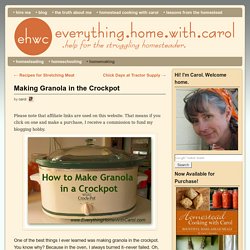
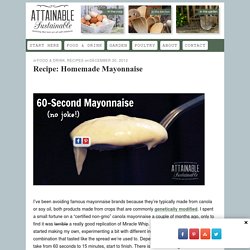
That means if you click on one and make a purchase, I receive a commission to fund my blogging hobby. One of the best things I ever learned was making granola in the crockpot. You know why? Because in the oven, I always burned it–never failed. Recipe: Homemade Mayonnaise. I’ve been avoiding famous mayonnaise brands because they’re typically made from canola or soy oil, both products made from crops that are commonly genetically modified.
Creating Water Proof Matches. Georgia Knife Laws. Georgia knife laws were rewritten in 2012 and, because of that, older articles on the internet are out of date.
The new law is much simpler but that does not mean it is not confusing. This article will give you an understanding of the law in plain English. How to Cure Bacon at Home. 2823StumbleUpon If you eat bacon, then you should know how important it is to get pork from pigs that haven’t been tortured in industrial feedlots, shot up with pharmaceuticals and antibiotics, and then processed with toxic chemical additives and nitrites.

This means you need to buy pork from organic sources—or better yet, from a farm that raises their pigs naturally on pasture and forage. But have you priced organic, pasture-raised bacon lately? How to Stop Wasting Food. How much food do you throw away because of improper planning?
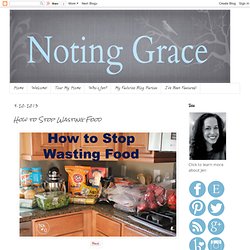
During this process of Selling Our Home, we have been doing all we can to cut corners. I started noticing how much food we were wasting and we started a mission to stop throwing our money away! Here is how our family tries to use everything that we buy. It’s Easy to Win: This Month’s Giveaway and Offers! Win A Host of Prizes this Month!
A summer of giveaways at Ready Nutrition would not be complete without a food preservation prize. We’re hosting a writing contest until September 30th, where you can share your knowledge with the Ready Nutrition community. Although our theme for the giveaway is food preservation, don’t feel handcuffed to this particular topic. Homestead Hack: Nifty Repurposed Masonry Ladders. Real Food on a Budget: 25 Tips to Make Eating Healthy Affordable. Take A Hyperventilating Walrus . . .

Some dingy fluorescent lights, and a pair of stilts and you’ve pretty much got my best copycat impression of the Cici’s Pizza greeter that welcomed us to pizza binge delirium. As we walked down the condiment aisle of the local grocery store, I bellowed, “Welcome to Cici’s! Thank you for coming!” Homemade Bleach Alternative ~Non-Toxic and Frugal. I must make a confession.
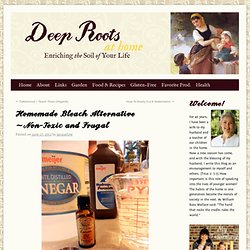
In our home, we’ve gone green in so many areas: water collection barrels, passive solar and solar collectors, in transition to organics in the pasture, raising some of our own food, safe household products…uh…well…hmmm, that is except for bleach. You see, I didn’t think I could get my washload (especially dirty wash cloths and work clothes) really clean (like germ-free) without it. We all expect to produce a nice and fresh smelling, stain-free laundry. Those Old Fashioned Skills Could Save Your Life. What old fashioned skills and abilities did your grandparents or great-grandparents have that, if you had those skills, would help you to survive in the event of a long-term survival situation: a real TEOTWAWKI (aka: “the end of the world as we know it”)?
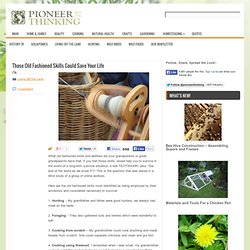
This is the question that was asked in a blind study of a group of online workers. Here are the old fashioned skills most identified as being employed by their ancestors and considered necessary to survival: ZUCCHINI BEEF SKILLET. Posted on August 4, 2013 by The Southern Lady Zucchini is one of my favorite summer vegetables and I am always looking for new ways to make it. I just add some cornbread muffins to accompany this dish and it makes a meal. 1 pound ground beef 1 medium onion, chopped 1 green pepper, chopped 1 teaspoon garlic powder 1/2 teaspoon salt. Diatomaceous Earth (food grade): Bug Killer You Can Eat! (2) Pauley's Rowdy Acres.
Hope Farms. The Omnivore's Delight. Goldfinch Gardens. Goldfinch Gardens is a small farm located in beautiful Celo, North Carolina. We specialize in a large variety of vegetables, herbs and flowers of the highest quality, available March through December. Our online farm stand is a new way of supplying your family with natural, locally grown produce.
Surviving the Middle Class Crash. Canning Water for Emergency Preparedness The Nerdy Farm Wife. We are in the midst of a power outage, here in Virginia; and it will likely be a week before electricity is restored. (Update: we were without power for 11 days!) For us, no power means no water. Canning Water for Emergency Preparedness The Nerdy Farm Wife. The Holistic Homestead - Annie's Homestead/The Holistic Homestead. The Homestead Survival » Emergency Preparedness, homesteading, gardening and so much more! Homemanagementhowto. Common Sense Homesteading. Homesteading. Some are driven by a desire for self-reliance. Many are trying to survive in a devastated economy. Still others prefer natural living and wholesome, organic foods. Homesteading, simple living combined with small-scale farming and gardening, is what they all have in common.
While the term is somewhat undefined, homesteading has come to signify simple living, combined with a measure of self-sufficiency through food or energy production, usually on a small scale. Homesteading is synonymous with cooking from scratch, home food preservation, natural living and survivalism skills for many homesteaders. In the past, homesteading was a way of life for most American families, many of whom lived off the land as their primary means of support. Homesteading Today. Homesteading with Ozarkguy. A Guide to Storing Fruits and Vegetables Tip Roundup.
Bread Recipes Round Up - Never Buy Bread Again. When I asked on the Common Sense Homesteading Facebook page if people were interested in bread recipes, I got a resounding, “Yes!” So I’ve rounded up some of my favorite bread recipes, plus some from my friends, to give you enough options that you should never have to buy bread again. The first section has a number of yeast bread recipes using wheat flour, the second section has bread recipes for special diets including gluten free breads, a kombucha sourdough and a bread recipe that uses soaked or sprouted whole wheat flour.
Ditch all the nasty ingredients in store breads, save yourself some money and enjoy some really good bread! Homemade Yeast Bread Recipes Note: I use SAF-INSTANT yeast, which does not require proofing (activating the yeast in warm liquid). Sandwich Bread – This sandwich has eggs and butter for extra richness. Basic Sourdough Bread – This simple sourdough recipe uses only four ingredients – sourdough starter, flour, water and salt. Dr. Mercola Interviews Joel Salatin at Polyface Farm. Around the eatlocalgrown offices you'll find lots of praise and many quotes from Dr. Joseph Mercola and Joel Salatin. No Ordinary Homestead. Good Things. How to Freeze Eggs. Nesting Box Herbs - Chicken Aromatherapy. Presumably you have been following my blog and have already decided to grow the chickens their own herb garden in order to brew herbal tea for them. How To Get Started on the Path to Providing for Your Family. Home and Garden Country Living. Raising Meal Worms 101 « Back to Basic Living.
Basic Living. Life is tough, living doesn't have to be. Homestead Skills -Gardening, crafts & self-sustaining homestead skills. Gardening, Crafts, and Other Essential Self-Sustaining Homestead Skills. "Skills That Pay the Bills: Self-employment for Homesteaders" by Regina Anneler page one. Old fashioned, traditional, homemaking, country family life.
Frontier Freedom - Home. Homesteading Skills. I feel that it is important to continue to learn new skills even if we are getting older! Finding the way forward. Finding it is good. Home - Common Sense Homesteading. Low Cost Home Cooking from Scratch. The Backyard Farming Connection. Modern Pioneer. The Prairie Homestead. New Hampshire family builds off-grid house and farm powered by solar, proves self-sufficiency enhances quality of life. (NaturalNews) Living off the grid does not have to mean trading modern amenities and convenient living for an uncomfortable experiment in survivalism. A recent Natural Home & Garden piece tells the story of Chris and Anna Von Mertens, a New Hampshire couple that decided to build a modern, fully-functional, and wholly self-sufficient house and farm for their family -- and the best part about this story is the home's complete ability to power itself using solar energy.
After living in San Francisco for many years, the Von Mertens decided they wanted to have children and start their own family. And since both Chris and Anna's families live in the New England area, they decided to return to the Peterborough, NH, area where Anna's family lives. But instead of going the conventional route and purchasing a typical home powered by the local energy company, the couple decided to build their own home powered independently by their own solar energy system. Sources for this story include: The Elliott Homestead. Simply Southern Homesteading. Modern Homesteaders. The Homestead. Little House Living Contributors - Little House on the Prairie Living. Little House Living: Making the most with what you have! Sunshine Sisters Farms. Awesome Sites.
Self-Sufficiency and Homesteading. The Homesteader's Free Library. How I brought my electricity bill down to $5. Homestead websites&magazines. Soap Making for the Beginner, Part I. Hobby Farms, Livestock & Pets, Crops & Gardening, Home & Barn. The Firepiston.