ERROMATARRAK MUNDUAN. GIZARTE ERROMATARRA. ROMANORUN VITA ( VISITA VIRTUALA) ERROMANIZAZIOA EUSKAL EREMUAN. Carthage. Carthage is a suburb of Tunis, Tunisia, with a population of 20,715 (2004 census), and was the centre of the Carthaginian Empire in antiquity. The city has existed for nearly 3,000 years, developing from a Phoenician colony of the 1st millennium BC into the capital of an ancient empire. The first civilization that developed within the city's sphere of influence is referred to as Punic (a form of the word "Phoenician") or Carthaginian.
The city of Carthage is located on the eastern side of Lake Tunis across from the center of Tunis. According to Greek historians, Carthage was founded by Canaanite-speaking Phoenician colonists from Tyre (in modern Lebanon) under the leadership of Elissa, who was renamed (Queen Dido) in Virgil's Aeneid. It became a large and rich city and thus a major power in the Mediterranean. The resulting rivalry with Syracuse, Numidia, and Rome was accompanied by several wars with respective invasions of each other's homeland.
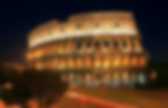
Colosseo - Monuments - Rome - Arounder. (Colosseu, Coliseum) In the first century AD, the Amphitheatrum Flavium, a.k.a. Colosseum or Coliseum (though in antiquity Romans referred to it as to Amphitheatrum Caesareum or hunting theater), was erected as a gift to the Roman citizens. Vespasian started construction of the Coliseum in 72 AD in the grounds of Emperor Nero's (37-68 AD) private residence, Domus Aurea, and his son Titus inaugurated it in 80 AD. Over 160 ft high with eighty entrances, the Coliseum could hold upwards of 50,000 spectators. Public events such as gladiator fights, mock naval battles and wild animal hunts were held at the Coliseum. From the fourth story of the Coliseum wooden masts supported a linen awning that protected spectators from the sun.
The Coliseum boasted seats of marble for the upper class, and benches of wood for the lower.