
Many women feel emotionally exhausted after separation and begin questioning themselves when emotions suddenly become overwhelming. Crying unexpectedly, losing motivation, feeling emotionally numb, or struggling to stay mentally calm can feel frightening. During this phase, many women start asking an important question: is emotional breakdown normal after divorce or separation?
The truth is that emotional pain after a major relationship loss affects both the mind and body deeply. Emotional overwhelm is not always a sign that something is wrong with you. In many cases, it is the nervous system trying to process stress, grief, fear, and emotional uncertainty all at once.
According to emotional wellness mentor Aparnaa Jadhav, emotional breakdowns are often misunderstood because society teaches women to suppress emotions instead of understanding them compassionately.
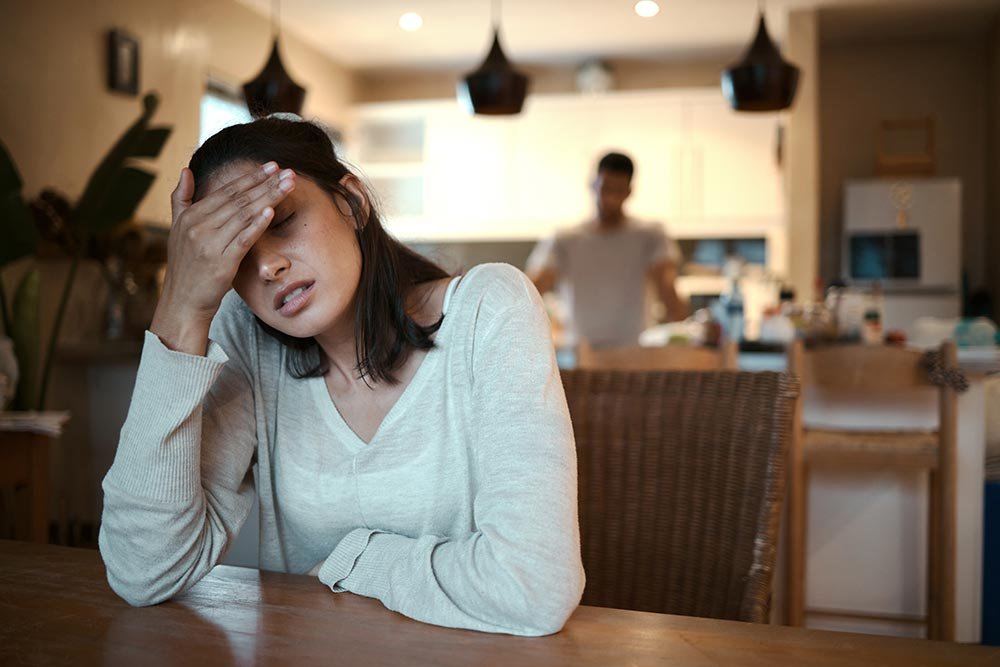
The emotional breakdown meaning is often misunderstood as complete mental collapse. In reality, emotional breakdown can happen when emotional stress becomes too heavy to manage internally.
Women experiencing emotional overwhelm after separation may notice:
These symptoms are not signs of weakness. They are emotional responses to prolonged stress, grief, fear, and emotional instability.
This is one reason conversations around mental health awareness are becoming increasingly important, especially for women navigating separation or divorce.
Many women spend months or years ignoring emotional pain to maintain peace within relationships or families. After separation, those suppressed emotions often surface intensely.
Trying to appear emotionally strong all the time can increase stress internally. Over time, emotional suppression may lead to anxiety, emotional burnout, panic, or emotional collapse.
Understanding the emotional breakdown meaning helps women stop blaming themselves for emotional pain and begin focusing on emotional recovery instead.
One of the biggest emotional healing questions women ask is, is emotional breakdown normal after separation? In many situations, yes, emotional overwhelm is a natural response to emotional loss and uncertainty.
Divorce and separation often affect emotional security, identity, confidence, daily routines, and future expectations. The nervous system reacts strongly because life suddenly feels emotionally unsafe or unpredictable.
This emotional intensity does not mean you are emotionally weak. It often means your body and mind are trying to adjust to major emotional change.
Aparnaa Jadhav often explains that emotional breakdown is not always the end of emotional strength. Sometimes it becomes the beginning of emotional healing and self awareness.
Many women expect emotional recovery to happen smoothly. However, healing after separation often comes in emotional waves. Some days may feel emotionally manageable, while other days may feel emotionally overwhelming.
This emotional inconsistency is normal during healing. Emotional recovery takes time because the nervous system needs space to process grief and emotional stress gradually.
Understanding that emotional breakdown is normal during recovery can reduce emotional shame and help women approach healing more compassionately.
One of the healthiest ways of dealing with emotional breakdown is allowing emotions to exist without immediately judging them. Crying, sadness, confusion, or emotional exhaustion do not make someone weak.
Suppressing emotions often increases emotional pressure internally. Emotional healing becomes easier when women stop forcing themselves to “stay strong” all the time and instead acknowledge what they truly feel.
Self compassion plays a major role in emotional recovery.
Writing emotions privately helps reduce mental overload and emotional confusion. Journaling allows women to process fears, sadness, anger, and emotional triggers safely.
Many women experiencing emotional breakdown discover that journaling creates emotional clarity and improves self awareness during difficult emotional periods.
Emotional healing becomes healthier when women receive support instead of isolating themselves emotionally. Therapy, emotional coaching, support groups, or honest conversations with trusted people can reduce feelings of loneliness and emotional overwhelm.
Seeking support is not a weakness. It is emotional responsibility and self care.
Healing after separation does not happen overnight. Emotional wounds need time, safety, and understanding to recover fully. Women often feel pressured to move on quickly, but emotional healing rarely follows a fixed timeline.
If you have been wondering if emotional breakdown is normal during separation recovery, remember that emotional overwhelm is often part of processing deep emotional pain. Your emotions are not evidence of failure. They are evidence that your mind and body are trying to heal.
With emotional support, self compassion, and healthy coping practices, emotional breakdown can slowly transform into emotional awareness, resilience, and personal growth.
Many women who once felt emotionally broken later discover that emotional healing helped them reconnect with their confidence, boundaries, and inner strength. Understanding emotional breakdown and prioritizing mental health awareness can become the first step toward rebuilding emotional peace and stability again.